ROB RUN Base Building Guide: Plots, Fuses, Raiding & Defense
A guide to ROB RUN plots, settlements, buildings, fuses, alarms, breach decoders, base permissions, and weekly wipes.
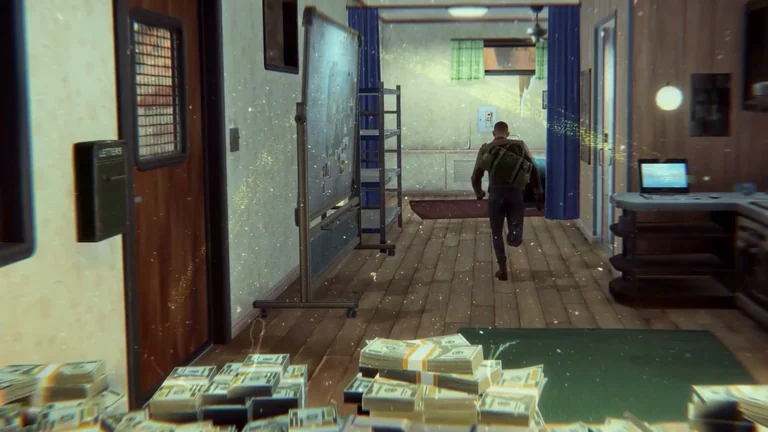
Setting up a desert base moves your operation out of Lenny’s Motel and unlocks personal vehicles, workbenches, cash laundering, and higher-tier Shipments on the Black Market. Every structure you build sits in the lawless desert where neighbors can attempt break-ins and other players can attack during tax collection or loot fencing, though your full base and its contents transfer whenever you rent a new plot outside a raid block.
Renting a Land Plot vs Owning a Settlement
Before placing any house, you must secure land inside a player-owned desert settlement rather than an unclaimed area on the global map. You can inspect a desert settlement layout on the settlement interactive map or browse every global map region in the districts database.
Desert regions on the global map are divided into three district levels that determine which Shipments nodes you can unlock and purchase:
- Tier 1 covers 6 sectors: Rustvale, Fairfield, Dustbowl, Redstone, Loneford, and Cascadas.
- Tier 2 covers 3 sectors: Fallrock, Rivertown, and El Peso.
- Tier 3 is 1 central sector: Highlands, where the controlling clan’s leader earns the Shadow Governor role and collects taxes from rival clans across the entire map.
Following an Early Access economy update, Tier 1 settlements and plot rentals cost title documents rather than direct cash, matching the document system used in Tier 2 and Tier 3 districts. Each title document only works inside a district of the same level.
| Document | Role | District level | Base price | Shipments unlock | Required tier |
|---|---|---|---|---|---|
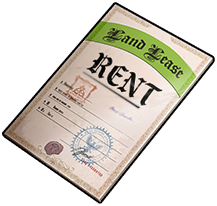 Land Plot Title (Uncommon) |
Rent a vacant plot | Level 1 | $100,000 | $50,000 | No prior title |
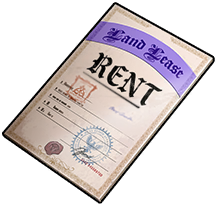 Land Plot Title (Epic) |
Rent a vacant plot | Level 2 | $800,000 | $200,000 | Tier 1 |
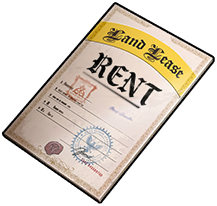 Land Plot Title (Legendary) |
Rent a vacant plot | Level 3 | $2,000,000 | $1,000,000 | Tier 2 |
 Settlement Title (Uncommon) |
Buy an unclaimed settlement | Level 1 | $200,000 | $100,000 | No prior title |
 Settlement Title (Epic) |
Buy an unclaimed settlement | Level 2 | $2,000,000 | $500,000 | Tier 1 |
 Settlement Title (Legendary) |
Buy an unclaimed settlement | Level 3 | $6,000,000 | $2,000,000 | Tier 2 |
Renting a land plot lets you deploy structures on a vacant spot inside an already-owned settlement. Buying an unclaimed settlement with a matching settlement title opens that settlement to tenants, grants the owner one plot free of charge, and generates tax cuts from residents’ cash laundering and Black Market spending.
No player can seize your owned settlement before the server wipe, though collecting your resident tax cut must be done in person at the Debt Collectors’ Van inside a lawless zone. Whenever you rent a new plot elsewhere, your entire base and its contents relocate automatically and you release the old plot.
For a full cost and payback breakdown between renting and landowning, read our Settlement Title vs Land Plot Title guide.
Base Buildings, Outbuildings, Fences, and Storage
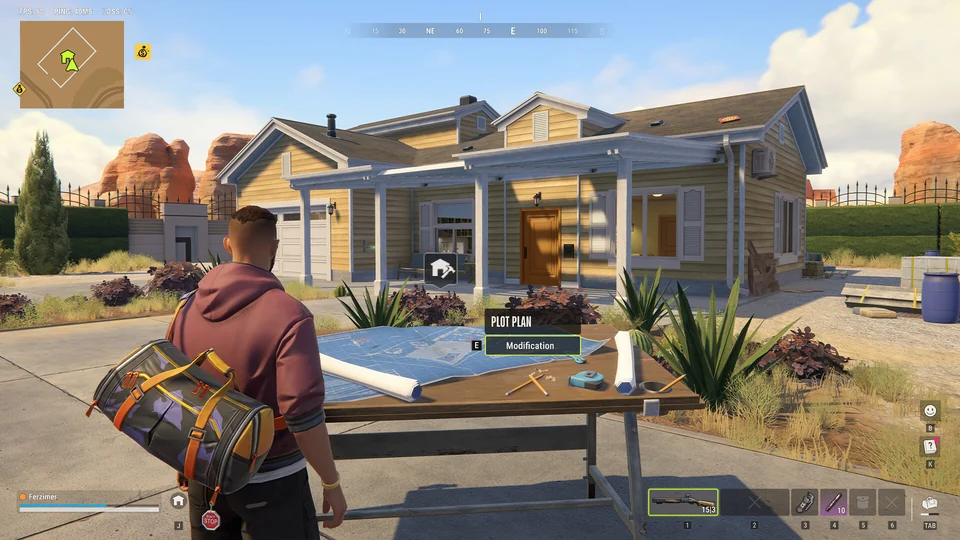
Base construction is item-based: you buy or loot building items, place structures onto your Plot Plan, and place furniture boxes onto each building’s Structure Plan. Client plot rules allow up to 4 building changes per 30 s and up to 30 furniture changes per 60 s, and plots also include built-in Large Storage and Small Storage containers with a 1 s container breach timer.
Sum unlock fees and purchase prices in the base cost planner or view full records on the base building systems page.
Main Buildings, Outbuildings, and Compound Walls
Every main building gives you core utilities such as a laptop, first-aid access, and starter cabinets, while outbuildings add garages, vehicle lifts, workbenches, cargo shelving, farming, or chemical synthesis. Two separate outbuilding records share the in-game Warehouse name: the  Warehouse unlocked via Shipments with 7 shelving slots and 15 fuse slots, and a second
 Warehouse outbuilding not listed in Shipments with 9 fuse slots.
| Structure | Group | Base defense | Fuse slots | Alarm slots | Base price | Shipments unlock |
|---|---|---|---|---|---|---|
 Trailer |
Main building | 5 | 9 | 3 | $10,000 | $0 (Tier 1) |
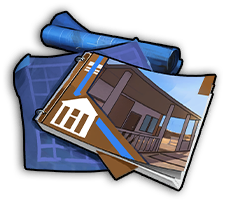 Small House |
Main building | 15 | 27 | 3 | $600,000 | $200,000 (Tier 2) |
 Mansion |
Main building | 30 | 42 | 3 | $1,500,000 | Not in Shipments |
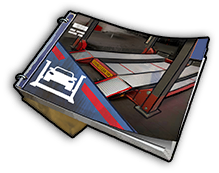 Car Lift |
Outbuilding | No block | 0 | 0 | $10,000 | $5,000 (Tier 1) |
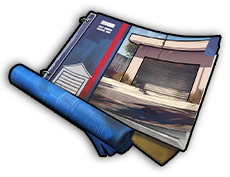 Car Garage |
Outbuilding | 4 | 6 | 3 | $25,000 | $10,000 (Tier 1) |
 Large Car Garage |
Outbuilding | 6 | 12 | 3 | $70,000 | $40,000 (Tier 2) |
 Helipad |
Outbuilding | No block | 0 | 0 | $500,000 | $200,000 (Tier 2) |
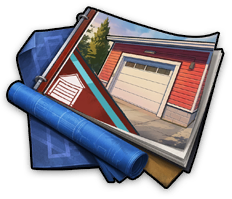 Workshop |
Outbuilding | 5 | 9 | 3 | $75,000 | $125,000 (Tier 1) |
 Grow Room |
Outbuilding | 5 | 9 | 3 | $100,000 | $150,000 (Tier 1) |
 Chemical Laboratory |
Outbuilding | 3 | 6 | 3 | $110,000 | $160,000 (Tier 1) |
| Warehouse |
Outbuilding | 10 | 15 | 3 | $100,000 | $130,000 (Tier 1) |
| Warehouse |
Outbuilding | 5 | 9 | 3 | $24,000 | Not in Shipments |
 Farm Fence |
Compound wall | No block | 0 | 0 | $600 | Not in Shipments |
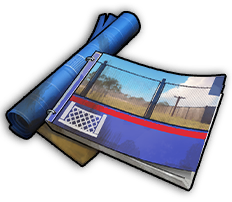 Mesh Fence |
Compound wall | 2 | 3 | 3 | $15,000 | $25,000 (Tier 1) |
 Metal Fence |
Compound wall | 5 | 6 | 3 | $50,000 | $100,000 (Tier 2) |
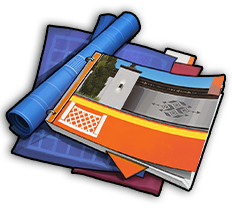 Concrete Fence |
Compound wall | 10 | 9 | 3 | $500,000 | $200,000 (Tier 3) |
Trailer is the only main building whose client record specifies a built-in storage slot count (2), while Small House and Mansion leave that field unset. Among outbuildings, Workshop adds 4 cargo workbench slots, Chemical Laboratory adds 1 cargo workbench slot, Grow Room adds 2 shelving slots, and Warehouse adds 7 shelving slots; Car Lift and Helipad carry no linked defense block.
Compound walls scale from 0 doors on Farm Fence and Mesh Fence to 1 door on Metal Fence and 3 doors on Concrete Fence. Keep in mind that fences are meant to slow intruders down rather than seal off a yard completely, especially with helicopters in play, and jumping a fence in a vehicle still leaves interior buildings locked behind their own security systems.
Storage Safes, Nightstands, Racks, and Security Cabinets
Expanding internal storage splits into item containers and cargo shelving, with locked tiers that force raiders to bring a  Master Key if they break inside:
- Standard item cabinets:
 Small Nightstand ($4,000 base, $15,000 Tier 1 unlock),
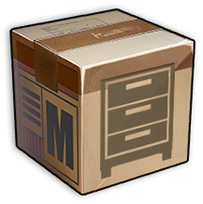 Medium Nightstand ($29,200 base, $30,000 Tier 2 unlock), and
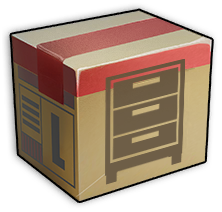 Large Nightstand ($45,400 base, $50,000 Tier 3 unlock).
- Protected item safes requiring a Master Key to unlock:
 Small Safe ($32,000 base, $50,000 Tier 1 unlock),
 Medium Safe ($68,000 base, $100,000 Tier 2 unlock), and
 Large Safe ($127,000 base, $150,000 Tier 3 unlock).
- Standard cargo racks:
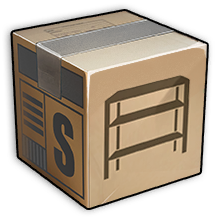 Small Rack ($3,500 base, $12,000 Tier 1 unlock),
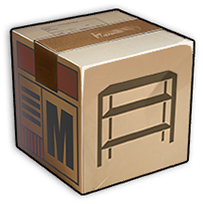 Medium Rack ($26,500 base, $25,000 Tier 2 unlock), and
 Large Rack ($46,500 base, $45,000 Tier 3 unlock).
- Protected cargo cabinets requiring a Master Key and Jail Time unlocks:
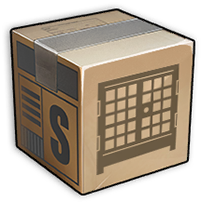 Small Security Cabinet ($30,300 base, $40,000 Tier 1 unlock, 30 years),
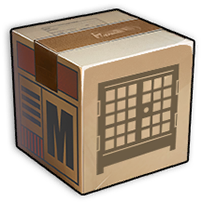 Medium Security Cabinet ($70,000 base, $90,000 Tier 2 unlock, 140 years), and
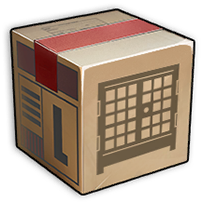 Large Security Cabinet ($132,000 base, $130,000 Tier 3 unlock, 500 years).
Production furniture such as  Cargo Workbench,
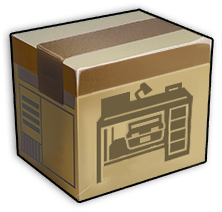 Contraband Workbench,
 Collection Table,
 Grow Table,
 Industrial Freezer (Uncommon), and
 Chemical Reactor (Uncommon) can also be deployed across your buildings; see money laundering and weed and lab systems for their station upgrades.
Settlement-Level Special Buildings
Global map settlements can sit near special structures that grant regional perks such as extra defense, business bonuses, or discounts. Client data lists the settlement special buildings — Abandoned Checkpoint, Power Line, Bunker, Gear Factory, Reservoir, Black Market, Laboratory, and Arms Factory — alongside a Settlement Gate defense block rated at 10 base defense points with 0 module slots. While the defense formula includes a settlement bonus term, the exact numeric bonus values, discount percentages, and capture conditions are not present in the client files.
Base Defense, Electronic Fuses, and Alarm Systems
There is no offline raid protection shield on desert plots. Surviving attacks while online or offline relies on raising your defense points with fuses, installing alarms to warn you or your clan, and keeping cash laundered in the bank where raiders cannot steal it.
Client code computes each structure’s total plot defense rating with the formula base + sum(modules) + settlement_bonus: a defense block’s base defense points, plus the sum of every installed fuse’s defense points, plus any settlement bonus. For example, a Trailer starts at 5 base defense points with 9 fuse slots, so filling every slot with Legendary fuses raises it to 50 defense points before any settlement bonus.
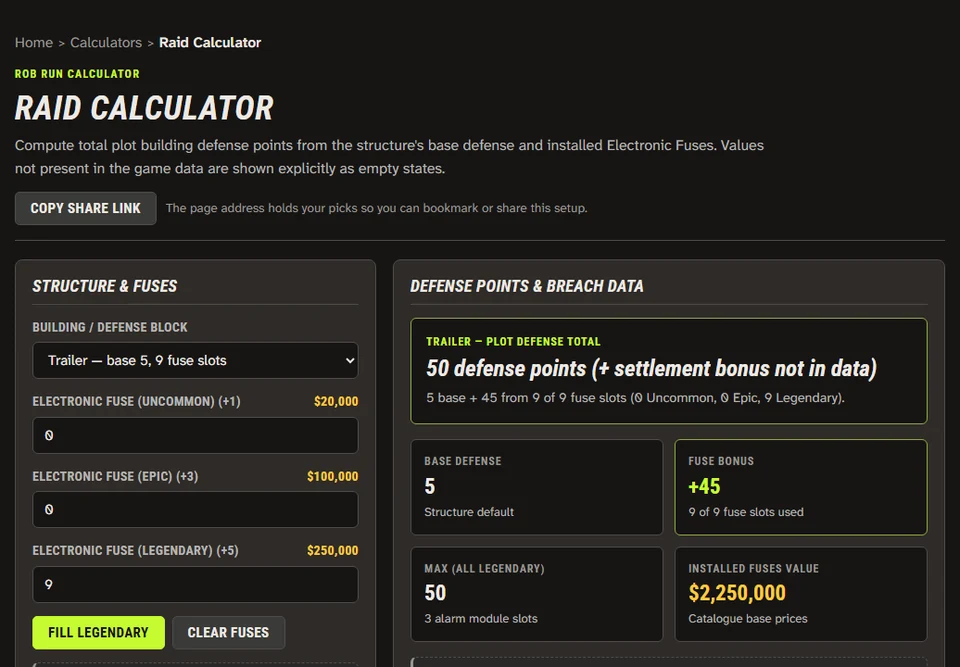
Electronic Fuse Tiers
Every raidable plot structure accepts fuses in its defense module slots to raise its defense score:
| Fuse | Defense points | Base price | Shipments unlock | Required tier |
|---|---|---|---|---|
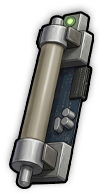 Electronic Fuse (Uncommon) |
+1 | $20,000 | $10,000 | Tier 1 |
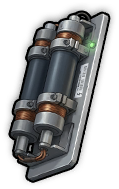 Electronic Fuse (Epic) |
+3 | $100,000 | $150,000 | Tier 2 |
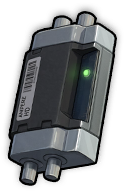 Electronic Fuse (Legendary) |
+5 | $250,000 | $500,000 | Tier 3 |
You can also upgrade Electronic Fuse (Epic) through the Electronic Fuse barter recipe, trading 1 Electronic Fuse (Epic) and $250,000  Cash for 1 Electronic Fuse (Legendary). For slot-by-slot budgeting and fuse upgrades, check our Electronic Fuse guide and the base defense systems page.
Alarm System Tiers and Repair Timing
Every plot defense block provides 3 special module slots for alarm modules that fire notifications as soon as someone starts breaching:
| Alarm | Alert scope | Base price | Shipments unlock | Requirements |
|---|---|---|---|---|
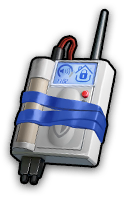 Alarm System (Uncommon) |
All players in the location | $30,000 | $15,000 | Tier 1, 105 years Jail Time |
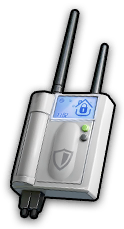 Alarm System (Epic) |
Plot owner only | $60,000 | $25,000 | Tier 2 |
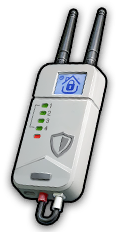 Alarm System (Legendary) |
Owner and entire clan | $200,000 | $50,000 | Tier 2 |
When a structure’s security system is breached, defenders can repair it to lock attackers back out. Client breach settings list a 3 s repair duration and a 480 s builder breach duration, alongside separate vehicle trunk timers (5 s breach cast and 600 s trunk breach duration).
Raiding Enemy Bases With Decoders
Stepping onto another player’s plot flags you in Enemy Territory, where trying to leave the game triggers an extended exit vulnerability timer. To gain temporary access to a rival’s building, raiders interact with its security system using disposable decoders.
| Decoder | Catalogue defense points | Cast time | Stack size | Base price |
|---|---|---|---|---|
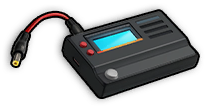 Decoder (Uncommon) |
1 | 12 s | 10 | $2,500 |
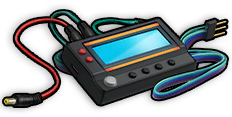 Decoder (Epic) |
3 | 12 s | 10 | $12,500 |
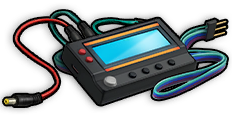 Decoder (Legendary) |
5 | 12 s | 10 | $100,000 |
Decoders are not sold in the Shipments tree; raiders loot them or barter for a Decoder (Epic) at Lenny’s Motel using either 3 Decoder (Uncommon) plus $10,000 Cash via the Decoder barter recipe or 1 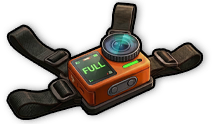 Action Camera (Epic) via the alternate Decoder barter recipe. For full farming routes and barter details, see our guide on how to get Decoders and test defense loadouts in the raid calculator.
Client code proves two exact breaching behaviors: every decoder tier uses a 12 s cast duration, and each finished cast consumes one decoder from your inventory. Although each decoder’s catalogue record carries a defense-point rating and its item text notes that it lowers a structure’s defense level, the actual point subtraction and exact decoder count needed to breach a structure are computed server-side and are not present in the client binary.
Raid Block Restrictions, Master Keys, and Eviction Rights
Starting a breach with a decoder activates a raid block on the target base that temporarily prohibits key base actions:
- The owner cannot relocate their plot while a raid block is active.
- Plot building and modification actions are locked during a raid block.
- Client text lists Shipments unlocks as available only at Lenny’s Motel or at a base without an active raid block, though a Nov 23 update enabled laptop use during a raid without settling whether Shipments unlocks via
Hremain locked under raid block.
The exact duration of a raid lock is resolved server-side and is not stored in the extracted client files.
Breaking through an exterior door only opens standard containers; protected safes and security cabinets inside still require a Master Key ($50,000 Shipments unlock at Tier 2). Completely dispossessing a resident requires an 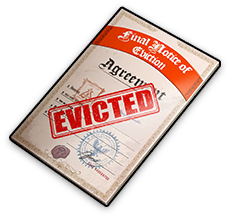 Eviction Right, which is applied to the Plot Plan only after every security system on that base has been hacked so you can claim a portion of their property. While game files list an Eviction Right barter recipe costing 50 Decoder (Epic), Kefir’s patch notes announced that Eviction Rights were temporarily removed from barter.
Can You Share a House or Base Permissions?
No extracted game configuration or Kefir help center article implements shared house ownership, joint plot access, or co-owner building permissions on a single land plot. Each plot belongs to one resident, and other players cannot be granted door, build, or storage permissions inside your structures.
Instead, groups coordinate bases using the multiplayer systems that the game files and Help Center support:
- Neighboring plots inside a friend’s settlement: one player buys a settlement with a settlement title, claims their own plot free of charge, and teammates rent vacant neighboring plots in the same settlement (or relocate their existing bases there to group up).
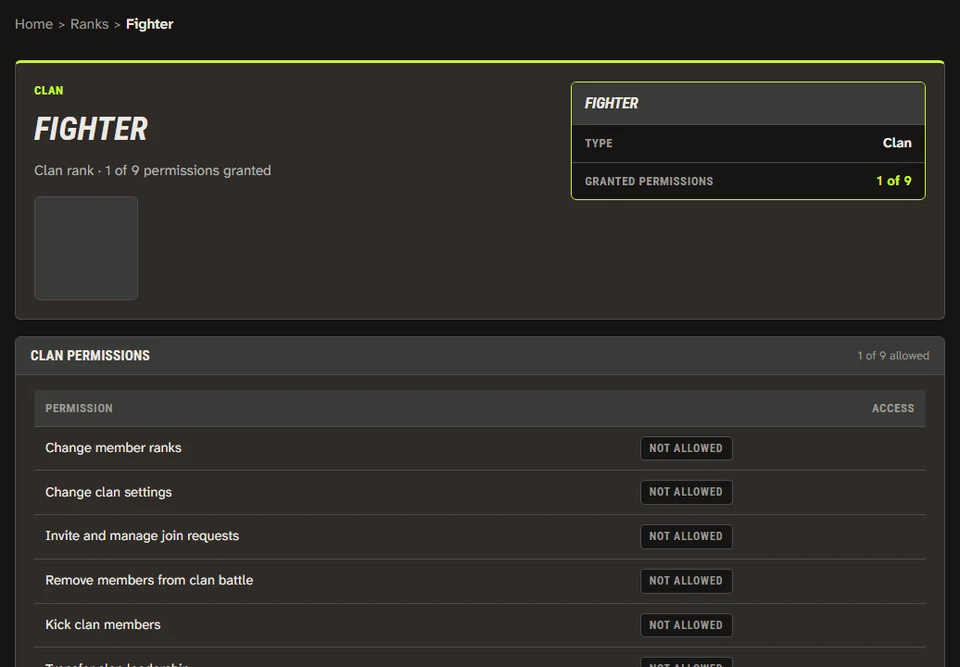
- Clan ranks and clan management permissions: founding a clan requires laundered bank funds and supports up to 100 members, with three players enough to start contesting city businesses. The clan ranks in game data — Leader (9 permissions), Officer (8 permissions, everything except transferring leadership), Fighter (1 permission: joining clan battles), and Recruit (0 permissions) — govern invitations, kicks, announcements, settings, and clan battle bets, with no permission flag for another member’s plot or house.
- Clan-wide breach notifications: equipping Alarm System (Legendary) in a structure’s Security System slot alerts both the owner and the entire clan the moment a raid begins so allies can respond from neighboring plots.
- Party rules for up to three players: parties cap at three players, can only be managed on the global map or inside settlements, and share access to a teammate’s summoned vehicle until it is recalled or replaced — not to house doors or plot storage.
Federal Raid Wipes: What Resets and What Carries Over
Server progression runs on a 7-day wipe cycle (subject to change) that ends with a Federal Raid. Every wipe resets server property and converts your wealth into permanent criminal standing so every fresh server starts on an even footing.
When a Federal Raid hits, the following assets are wiped and converted into Jail Time and Authority:
- Plots, bases, land deeds, and owned real estate.
- Vehicles, weapons, equipment, and stored inventory items.
- Laundered cash held in your bank account.
- All unlocked items in the Shipments tree.
- Recorded bribes and clan spending.
Client sentence constants convert realm assets at one year per $500,000 of asset value up to 40 years max per realm, subject to a 40-year daily cap and a 1,200-year total limit.
Permanent account progression carries over across wipes:
- Your Jail Time totals and Authority progression.
- Owned skins and cosmetic purchases.
- B-Coin balance.
- Your player name and character look.
- Completed tutorial progress and saved settings.
Battle Pass points are not listed among wipe-preserved items: the 2026-11-17 patch notes specify Battle Pass carryover for region changes rather than wipes, and client text warns that accumulated Battle Pass currency is lost when leaving a realm. Review the full schedule and policy breakdown on the servers and wipes systems page, or pair your hideout plan with our solo survival guide.